
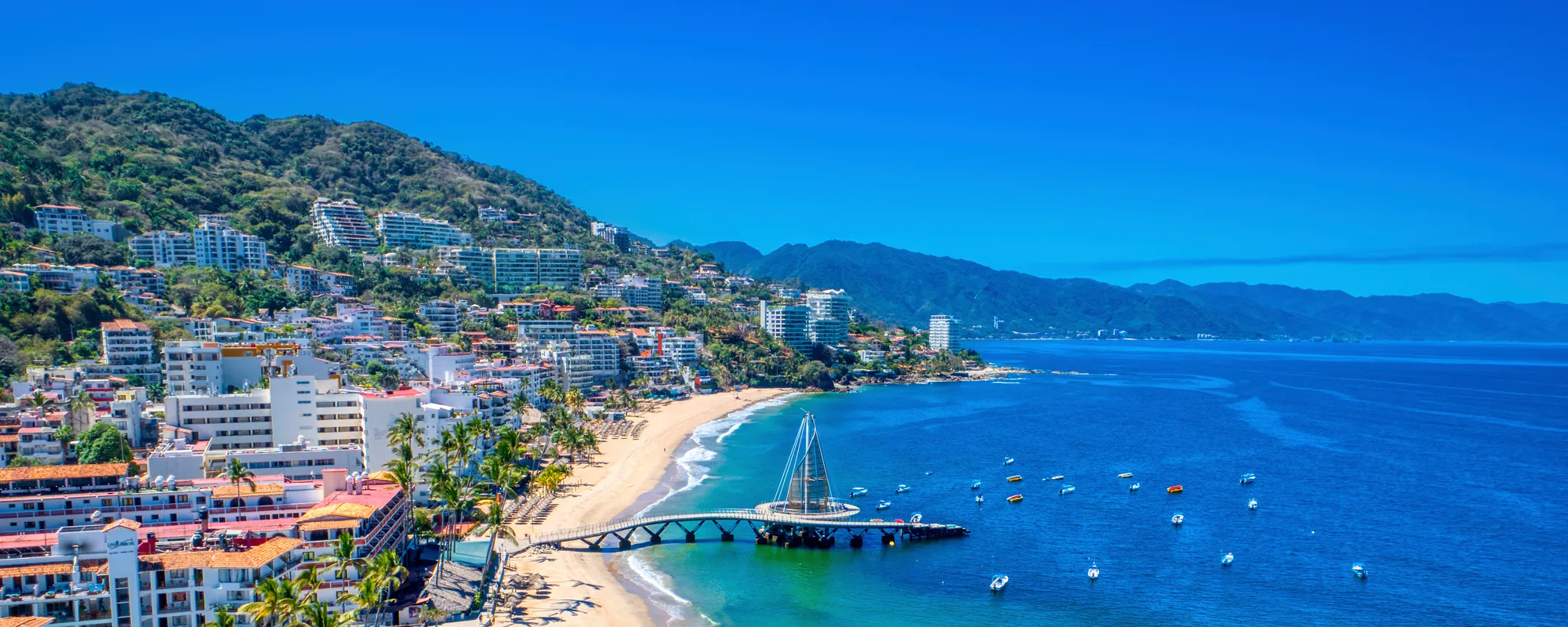
Assure Success in Mexico Real Estate
Assure your investment with expert guidance in Mexico's thriving real estate market. We provide secure, transparent, and profitable property solutions tailored to your needs.
Find Properties →Quick Search
 $ 6,999,000 USD


 4
4
 4
4
 4,327
sqft
4,327
sqft
Condos in Cabo Real-Ocean Side
Las Ventanas Al Paraiso Baja California Sur
 $ 5,683,000 USD


 18,681
sqft
18,681
sqft
Boutique Hotel Marina Banderas – Villa 5
16 de Septiembre 42 NAYARIT
 $ 3,800,000 USD


 12,696
sqft
12,696
sqft
Hotel Basalto
Rinconada careyeros 112 NAYARIT
 $ 3,716,000 USD


 7,230
sqft
7,230
sqft
Hotel Palmares – 35
Lazaro Cardenas 35 NAYARIT
 $ 3,600,000 USD


 4
4
4,500
sqft
4
4
4,500
sqft
Tres Mares Garden Residence – B-01
Av. Paseo de la Marina 197 JALISCO
 $ 3,080,000 USD


 12,848
sqft
12,848
sqft
Alcatraces – 1
blvd riviera nayarit 1423 NAYARIT
 $ 2,350,000 USD


 3
3
4,078
sqft
3
3
4,078
sqft
Villa Azul Celeste
Carr Barra de Navidad KM2.5 JALISCO
 $ 2,200,000 USD


 13,880
sqft
13,880
sqft
EDIFICIO FELIX 302 – 302
BLVD RIVIERA NAYARIT SUR 302 NAYARIT
 $ 1,980,000 USD


 5
4,579
sqft
5
4,579
sqft
Houses in
Baja California Sur
 $ 1,735,000 USD


 6
3
4,160
sqft
6
3
4,160
sqft
Casa del Paraiso
Huachinango 32 NAYARIT
 $ 1,695,000 USD


 6,238
sqft
6,238
sqft
Casa Panoramica – .
Carretera Barra de Navidad 599 JALISCO
 $ 1,689,000 USD


 2
3,184
sqft
2
3,184
sqft
Houses in
Ave Mision San Diego Baja California Sur
 $ 1,629,200 USD


 17,754
sqft
17,754
sqft
Edificio Pitillal – 152
Hidalgo 152 JALISCO
 $ 1,380,000 USD


 5
4
4,260
sqft
5
4
4,260
sqft
Venados 134
Venados 134 NAYARIT
 $ 1,191,000 USD


 3
3
2,560
sqft
3
3
2,560
sqft
Peninsula Nuevo Vallarta – 8R
Circuito Costero y Playa (8-2) NAYARIT
 $ 1,149,000 USD


 3
4,933
sqft
3
4,933
sqft
Houses in
Siete Leguas Baja California Sur
 $ 1,119,800 USD


 5
3,733
sqft
5
3,733
sqft
Houses in
Baja California Sur
 $ 1,100,000 USD


 3
3
2,207
sqft
3
3
2,207
sqft
Casa del Sol – 301
Blvd. Nayarit 1143 NAYARIT
 $ 1,089,000 USD


 4
4
5,057
sqft
4
4
5,057
sqft
Casa Libertad
Carmen Serdan 230 NAYARIT
 $ 948,450 USD


 7,897
sqft
7,897
sqft
EDIFICIO HS
CARR PTO VALLARTA MZ 52 5 NAYARIT
 $ 899,000 USD


 3
3,188
sqft
3
3,188
sqft
Houses in
Solara del Mar Luxury Villa Baja California Sur
 $ 893,865 USD


 4,260
sqft
4,260
sqft
Edificio Taurina – 1
Peru 1392 JALISCO
 $ 795,000 USD


 2
2
1,466
sqft
2
2
1,466
sqft
Vista del Sol – 803
Aquiles Serdan 174 JALISCO
 $ 789,000 USD


 4
3
2,184
sqft
4
3
2,184
sqft
Casa Quetzal
Calle Juan Escutia 28 NAYARIT
 $ 777,000 USD


 3
3
3,590
sqft
3
3
3,590
sqft
Los Mangos 8
Paseo de los Mangos 8 NAYARIT
 $ 754,999 USD


 2,205
sqft
2,205
sqft
Edificio Bolivia – Building
BOLIVIA 1036 A JALISCO
 $ 750,000 USD


 1,454
sqft
1,454
sqft
Casa Patricia – NA
Constitucion 418 JALISCO
 $ 750,000 USD


 2
2
1,454
sqft
2
2
1,454
sqft
Casa Patricia
Constitucion 418 JALISCO
 $ 724,889 USD
 3
3
3,077
sqft
3
3
3,077
sqft
casa jarretaderas
calle eucalipto 10 NAYARIT
 $ 699,000 USD


 3
2
1,800
sqft
3
2
1,800
sqft
Condos in Quivira
Baja California Sur
 $ 659,000 USD


 2
2
1,039
sqft
2
2
1,039
sqft
CONDO PIER 57 – 409
Francisca Rodríguez 174 JALISCO
 $ 650,000 USD


 4
4
3,041
sqft
4
4
3,041
sqft
Ikal 89
Av. Mexico 574 NAYARIT
 $ 638,888 USD


 2
2
1,030
sqft
2
2
1,030
sqft
DUE T2 – 1605
Blvd. Fco. Medina Ascencio S/N JALISCO
 $ 582,139 USD
 1,176
sqft
1,176
sqft
D'VINE RESIDENCES – UP-05
LAZARO CARDENAS 388 JALISCO
 $ 570,000 USD


Business in La Cruz Centro
Marlin 16 NAYARIT
 $ 560,000 USD


 4
3,068
sqft
4
3,068
sqft
Houses in
C. Pedro Moreno Baja California Sur
 $ 555,000 USD


 3
3
2,187
sqft
3
3
2,187
sqft
IKAL
Av Mexico 574 NAYARIT
 $ 545,000 USD


 4,099
sqft
4,099
sqft
Higuera Commercial – 1
Carretera Higuera Blanca 270 NAYARIT
 $ 539,325 USD


 3
3
2,313
sqft
3
3
2,313
sqft
Casa Potomac 196
Rio Potomac 196 JALISCO
 $ 535,000 USD


 5
3
4,799
sqft
5
3
4,799
sqft
Casa Jamaica 5 de Diciembre
Jamaica 1335 JALISCO
 $ 515,000 USD


 1
2
946
sqft
1
2
946
sqft
D'esire 402 – 402
Constitucion 207 JALISCO
 $ 491,898 USD


 3
3
1,926
sqft
3
3
1,926
sqft
Casa Eufrates
Río Eufrates, Entre Ríos 105 JALISCO
 $ 486,574 USD


 3
3
1,721
sqft
3
3
1,721
sqft
Casa Rene
Rio de Janeiro 125 JALISCO
 $ 473,000 USD


 1,343
sqft
1,343
sqft
TRASPASO DE NEGOCIO + LOCALES – 016 – 017
Av. México CP: 63735 2 NAYARIT
 $ 451,428 USD


 2
2
1,612
sqft
2
2
1,612
sqft
Deck 12 – 803
Francisco Medina Ascensio 2870 JALISCO
 $ 450,000 USD


 1,620
sqft
1,620
sqft
CONDO CARLA OFFICES – 4-5
Boul de Nay. esq. Fco I Madero S/N NAYARIT
 $ 450,000 USD


Business in Emiliano Zapata
Basilio Badillo 287 JALISCO
 $ 450,000 USD


Business in Emiliano Zapata
Basilio Badillo 287 JALISCO
 $ 450,000 USD


Business in Marina Vallarta
Blvd Francisco Medina Ascencio S/N JALISCO
 $ 435,000 USD


 2
2
1,275
sqft
2
2
1,275
sqft
San Tropico A2 – A2
Calle Flamingos 161 JALISCO
 $ 425,000 USD


 2
2
1,448
sqft
2
2
1,448
sqft
Condos in Fonatur Golf & Hills
Calle Rtno. Puntagorda 11 Baja California Sur
 $ 418,957 USD
 846
sqft
846
sqft
D'VINE RESIDENCES – UP-04
LAZARO CARDENAS 388 JALISCO
 $ 417,000 USD


 5
4
2,624
sqft
5
4
2,624
sqft
Casa Violeta Barrio Sta. Maria
Mexicaltzingo 150 JALISCO
 $ 398,000 USD


 10
3,228
sqft
10
3,228
sqft
Houses in
Av. de la Juventud Baja California Sur
 $ 389,000 USD


 4
2
1,173
sqft
4
2
1,173
sqft
Casa Nina
Miguel Angel 114 JALISCO
 $ 379,000 USD


 3
3
1,658
sqft
3
3
1,658
sqft
Condos in El Tezal-West
Baja California Sur
 $ 375,722 USD


 2
2
1,160
sqft
2
2
1,160
sqft
Quadrant Condo – 1203
Av. Las Palmas 100 NAYARIT
 $ 369,000 USD


 3
1,726
sqft
3
1,726
sqft
Houses in
Baja California Sur
 $ 349,900 USD


 2
2
1,031
sqft
2
2
1,031
sqft
Condos in SJD North-W of 1
Blvd. Forjadores Baja California Sur
 $ 349,000 USD


 2
2
1,560
sqft
2
2
1,560
sqft
Condominio Mangos 3 – 3
Francisco I Madero 536 JALISCO
 $ 339,000 USD


 2
2
1,503
sqft
2
2
1,503
sqft
Condos in Pescadero/Cerritos
Baja California Sur
 $ 325,000 USD


 1
1
1,016
sqft
1
1
1,016
sqft
Taheima – B-217A
Paseo de las Garzas 2 NAYARIT
 $ 315,462 USD


 508
sqft
508
sqft
GRANDES LAGOS LIVING – Local 103
Avenida Grandes Lagos 259 JALISCO
 $ 289,000 USD


Business in Zona Dorada
Galeana 14 NAYARIT
 $ 287,000 USD


 9
4
5,380
sqft
9
4
5,380
sqft
CASA GIL
MIRAMAR 1137 JALISCO
 $ 285,000 USD


 2
2
808
sqft
2
2
808
sqft
VISTA BUCERIAS 402A – 402A
Boulevard Riviera Nayarit 62 NAYARIT
 $ 285,000 USD


 2
2
1,221
sqft
2
2
1,221
sqft
Flamingos Sport Residences – 5D
Paseo de los Flamingos 5 NAYARIT
 $ 277,800 USD


 2
2
1,872
sqft
2
2
1,872
sqft
Condos in El Tezal-West
Baja California Sur
 $ 275,000 USD


 2
2
774
sqft
2
2
774
sqft
Casita Los Mangos
Camino de acceso, Parcela 803, S/N NAYARIT
 $ 271,800 USD


 2
2
1,549
sqft
2
2
1,549
sqft
Condos in El Tezal-West
Baja California Sur
 $ 269,000 USD


 3
2
1,202
sqft
3
2
1,202
sqft
LOS MEDANOS 225
PRIVADA ALEGRIA 225 JALISCO
 $ 265,000 USD


 2
2
808
sqft
2
2
808
sqft
VISTA BUCERIAS 105A – 105A
Boulevard Riviera Nayarit 62 NAYARIT
 $ 264,600 USD


 2
2
1,872
sqft
2
2
1,872
sqft
Condos in El Tezal-West
Baja California Sur
 $ 258,600 USD


 2
2
1,549
sqft
2
2
1,549
sqft
Condos in El Tezal-West
Baja California Sur
 $ 250,000 USD


 3
3
1,253
sqft
3
3
1,253
sqft
Gardenias 405 – 405
Las Higueras SN NAYARIT
 $ 223,000 USD


 1
432
sqft
1
432
sqft
Condo Residences by Mio 103 – 103
Paseo De Los Cocoteros 37 NAYARIT
 $ 220,000 USD


 3
1,990
sqft
3
1,990
sqft
Houses in
Caracol Baja California Sur
 $ 195,000 USD


Business in El Centro
Morelos 701 JALISCO
 $ 179,000 USD


Business in Sayulita
Pelicanos 155 NAYARIT
 $ 161,765 USD


 3
2,390
sqft
3
2,390
sqft
Houses in
Bahia De Sta. Elena Baja California Sur
 $ 160,000 USD


 2
2
1,248
sqft
2
2
1,248
sqft
Los Ramblases – 13 & 14
Pto. Escondido 166 JALISCO
 $ 152,000 USD


 2
2
896
sqft
2
2
896
sqft
Aldea Hortus – 311
Circuito de los Robles 311 C NAYARIT
 $ 150,000 USD


 3
2
756
sqft
3
2
756
sqft
Casa Valle Dorado Malvar
Valle del Malvar 165 NAYARIT
 $ 150,000 USD


 454
sqft
454
sqft
Lotus Deli Market – 24
Allende 605 JALISCO
 $ 140,967 USD


 2
1
700
sqft
2
1
700
sqft
Condo Jacaranda – 5
Paseo Foresta 305 JALISCO
 $ 129,000 USD


 182
sqft
182
sqft
Pavillion Planta principal – 1 ''UNO''
Morelos 210 JALISCO
 $ 125,000 USD


Business in Versalles
Viena 200 JALISCO
 $ 100,000 USD


Business in El Centro
Libertad 160 JALISCO
 $ 94,000 USD


 380
sqft
380
sqft
3.14 – LOCAL 7
PASEO DE LAS PALMAS 3 NAYARIT
 $ 85,800 USD


Business in Fluvial
Av. Grandes Lagos 269 JALISCO
 $ 75,000 USD


Business in El Centro
PIPILA 170C JALISCO
 $ 59,000 USD


Business in Versalles
Hamburgo 108 JALISCO
 $ 54,975 USD


Business in Emiliano Zapata
C. Rodolfo Gómez 126 JALISCO
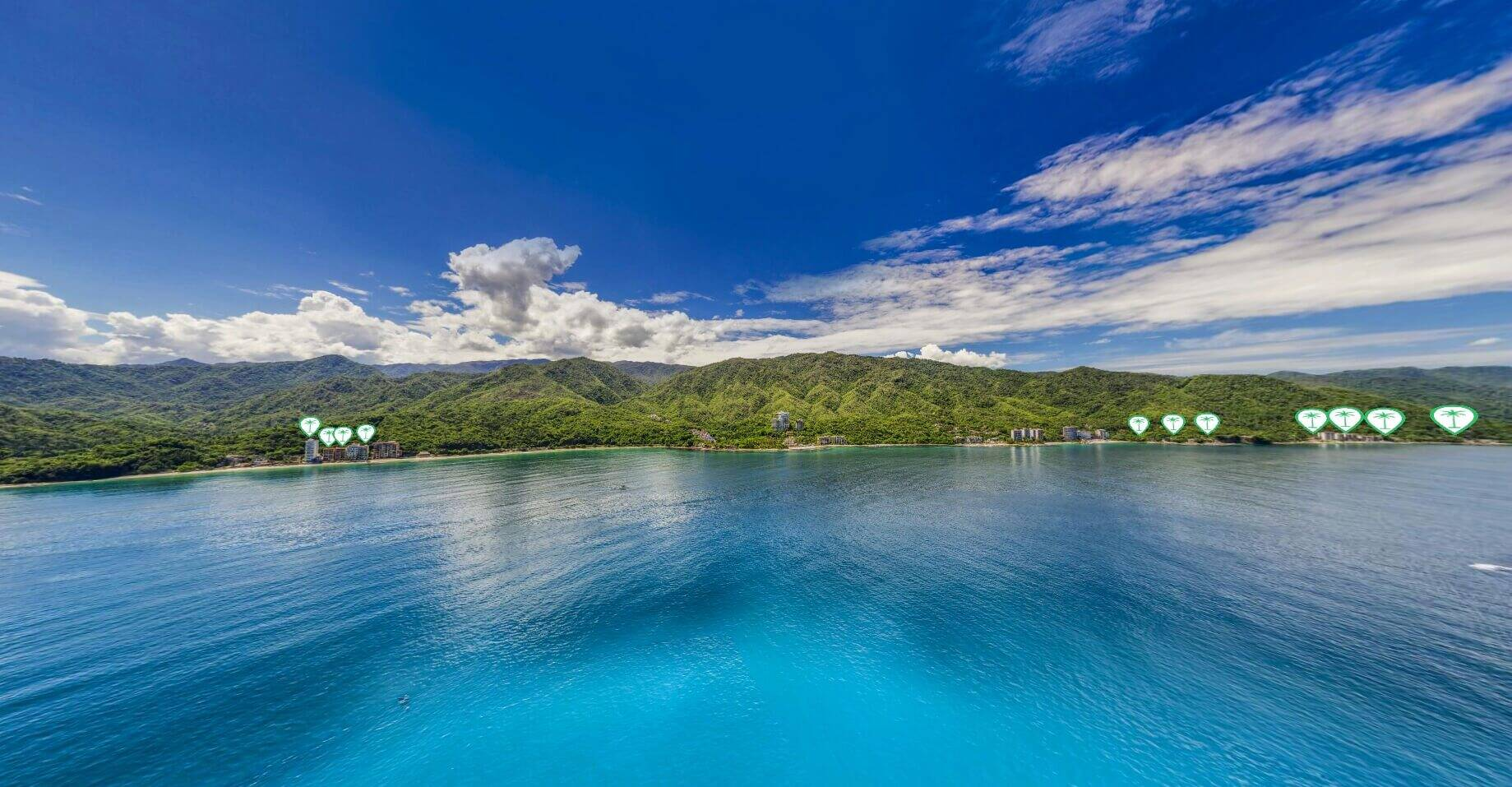
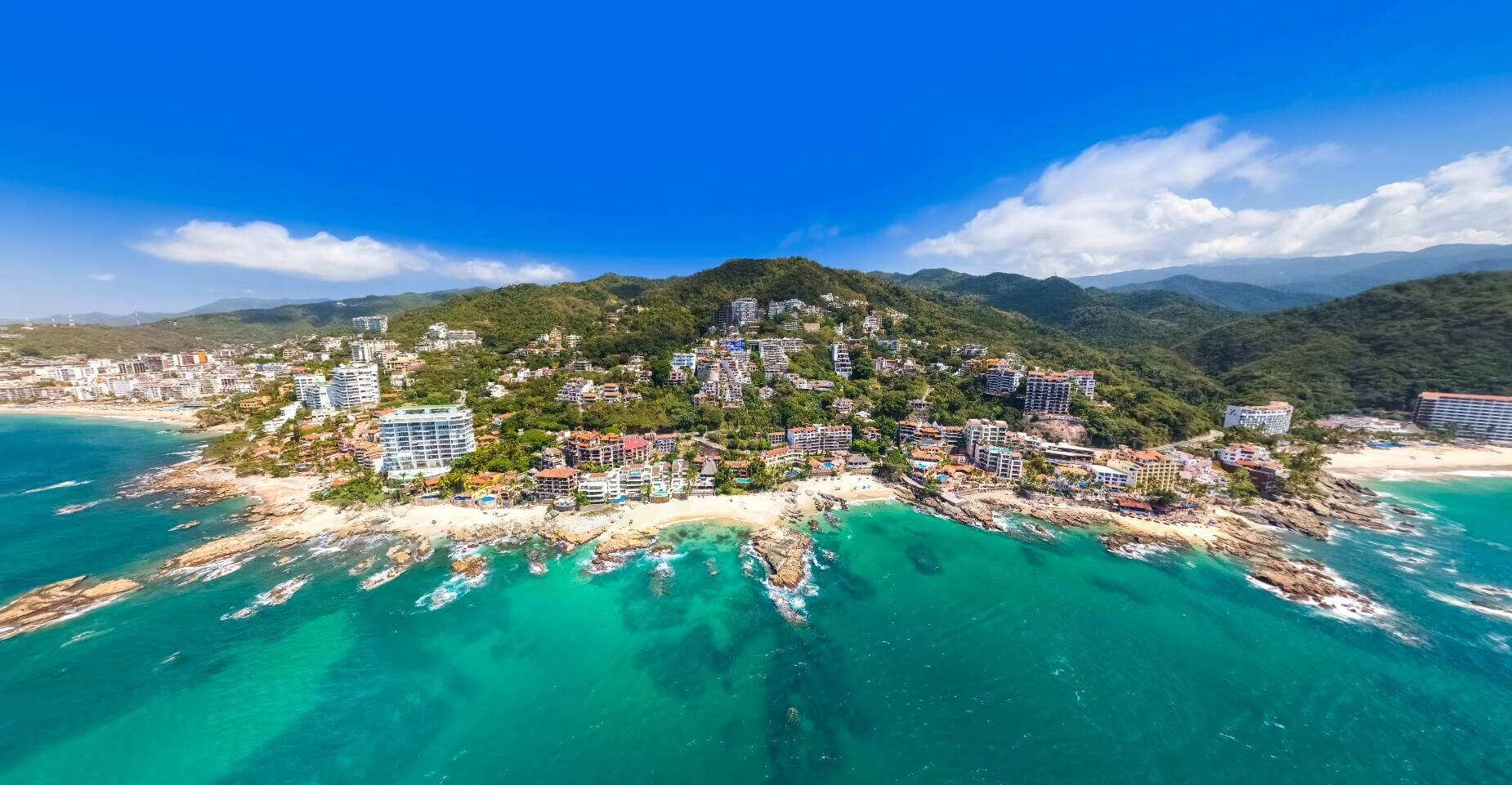
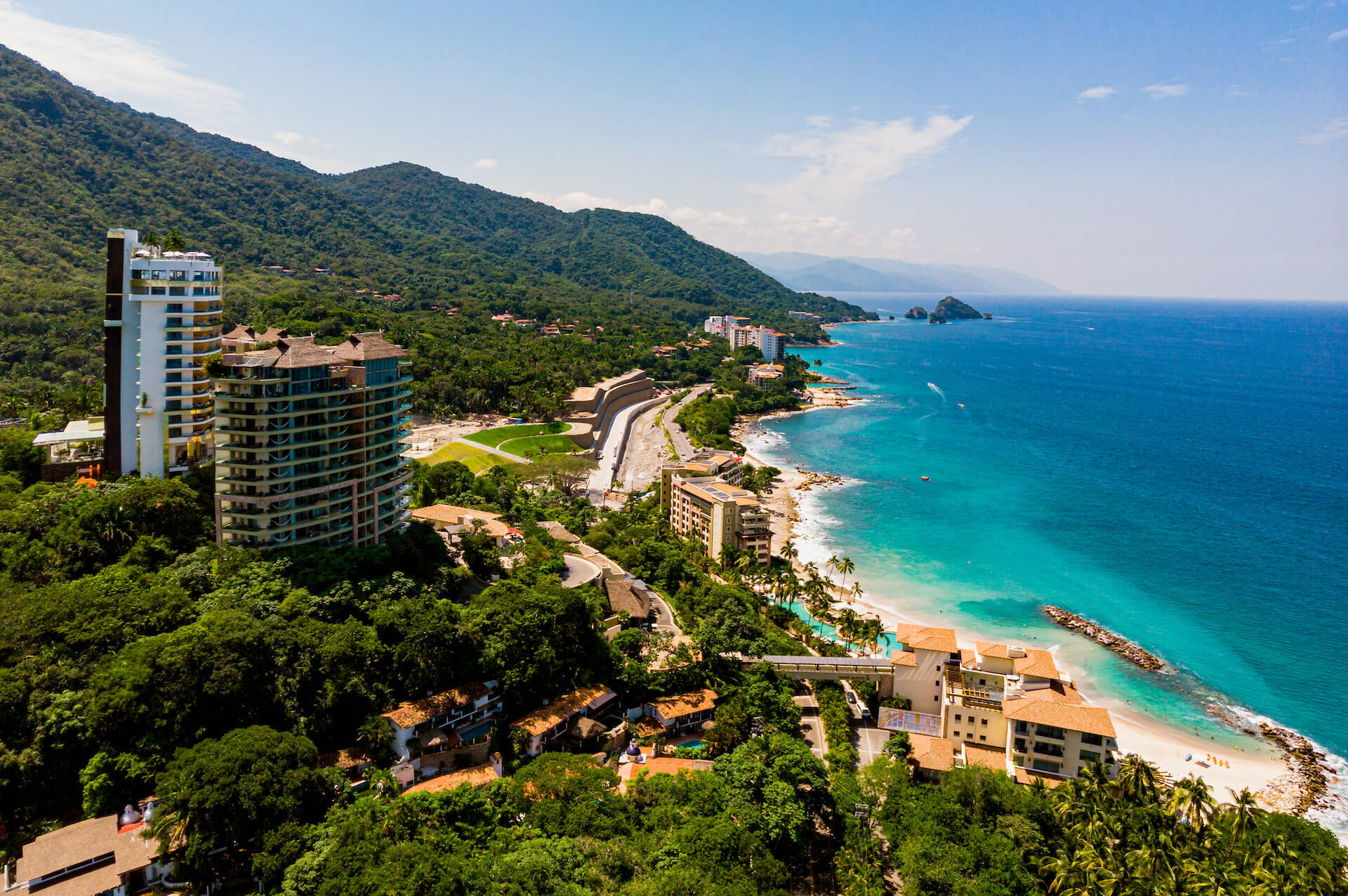
Trusted by over 2,000 happy clients
Trusted by more than 2,000 happy clients across Mexico. Experience the confidence of working with real estate experts who deliver.
Mexlife Puerto Vallarta
Our initial home search in Puerto Vallarta was challenging for various reasons but that completely changed when we found George Afana at Mexlife. From the start, his knowledge of the Puerto Vallarta r

Mexlife Puerto Vallarta
We recently purchased our condo in La Cruz with George Afana as our agent. We had worked with him and Traci for several months prior to selling our home. He knew what we were looking for and one day

Mexlife Puerto Vallarta
Thankyou so much Pedro Robin for helping Phil and I buy our first home in Puerto Vallarta. You were very helpful walking us through the process of purchasing a home in a foreign country. Your knowledg

Mexlife Puerto Vallarta
My partner and I recently purchased our dream home in sayulita! We are first time buyers in Mexico and do not yet speak Spanish. That in mind we had our fears about the buying process, as soon as we s

Mexlife Puerto Vallarta
Geoge Afana and his colleagues at MexLife turned what could have been a difficult and fraught process into a 99% seamless and frictionless experience. George was an excellent partner and mentor. He

Mexlife Riviera Nayarit

Mexlife Riviera Nayarit

Mexlife La Paz
Alfredo is an outstanding real estate agent! He recently helped us purchase a property in La Paz, and the entire experience was flawless. His local expertise, responsiveness, and dedication to his cli

Mexlife La Paz
6 months ago I met Alfredo and he became our realtor. Today he is our friend. We were in search of a vacation home in Mexico and Alfredo guided us along our journey. He truly cares about his clients a

Mexlife La Paz
Alfredo is an amazing and helpful person! We enjoyed our stay in La Paz and all of his hospitality! Great person to work with and we hope we will have a second home in La Paz one day! Thanks Alfredo f

Mexlife La Paz
Alfredo is a true professional and an excellent real estate agent. He’s been agreat help in our search for a second home in La Paz!

Mexlife La Paz
I recently worked with Alfredo Romo. Alfredo was very knowledgeable about the local market and provided valuable insight throughout the process. He was also very responsive and kept me Informed. I hig

Real Estate News
Stay informed with the latest updates from Mexico real estate market.
Frequently Asked Questions
Your questions, clearly answered.
-
Can foreigners legally buy property in Mexico?Yes, foreigners can legally buy property in Mexico through a fideicomiso (bank trust) in restricted zones.
-
What documents are required to buy property?You need a passport, proof of address, and a fideicomiso application.
-
How long does the buying process take?The process typically takes 30-60 days.
-
Can I buy property remotely?Yes, with a power of attorney, you can buy remotely.
-
What is the role of a notary in Mexico?A notary verifies and registers the property transaction.
-
What is a fideicomiso (bank trust)?A fideicomiso is a legal trust agreement with a Mexican bank that holds the title on behalf of a foreign buyer. The buyer retains full rights to use, lease, sell, or pass the property to heirs. It’s renewable every 50 years and is a common and secure method of property ownership for foreigners.
-
Can I own property outright in Mexico?Yes, outside restricted zones, foreigners can own property outright.
-
What are the inheritance laws?Property can be passed to heirs via a will or fideicomiso.
-
Can I lease my property?Yes, leasing is allowed with proper registration.
-
What is a Mexican will?A Mexican will ensures smooth property transfer after death.
-
What are the typical closing costs in Mexico?Closing costs are about 5-7% of the property value.
-
Are there annual property taxes?Yes, property tax (predial) is low, around 0.1% of value.
-
What are notary fees?Notary fees range from 1-2% of the property value.
-
Are there hidden costs?No, but maintenance fees may apply in some areas.
-
What is the fideicomiso fee?The fideicomiso fee is approximately $500-$700 annually.
-
Are there any restrictions on how I can use the property?Yes, zoning laws may restrict commercial use.
-
Can I rent out my property?Yes, short-term and long-term rentals are allowed.
-
Can I build on the property?Yes, with local permits and regulations.
-
Can I live in the property full-time?Yes, it can be your primary residence.
-
Are there HOA fees?HOA fees may apply in gated communities.
-
Do I need to be in Mexico to buy property?No, you can buy with a power of attorney.
-
Is property ownership safe for foreigners?Yes, with proper legal steps, it’s secure.
-
What security measures are common?Gated communities often have guards and cameras.
-
Are there risks of fraud?Working with reputable agents and attorneys minimizes risks.
-
What insurance do I need?Property insurance and hurricane insurance are recommended.